

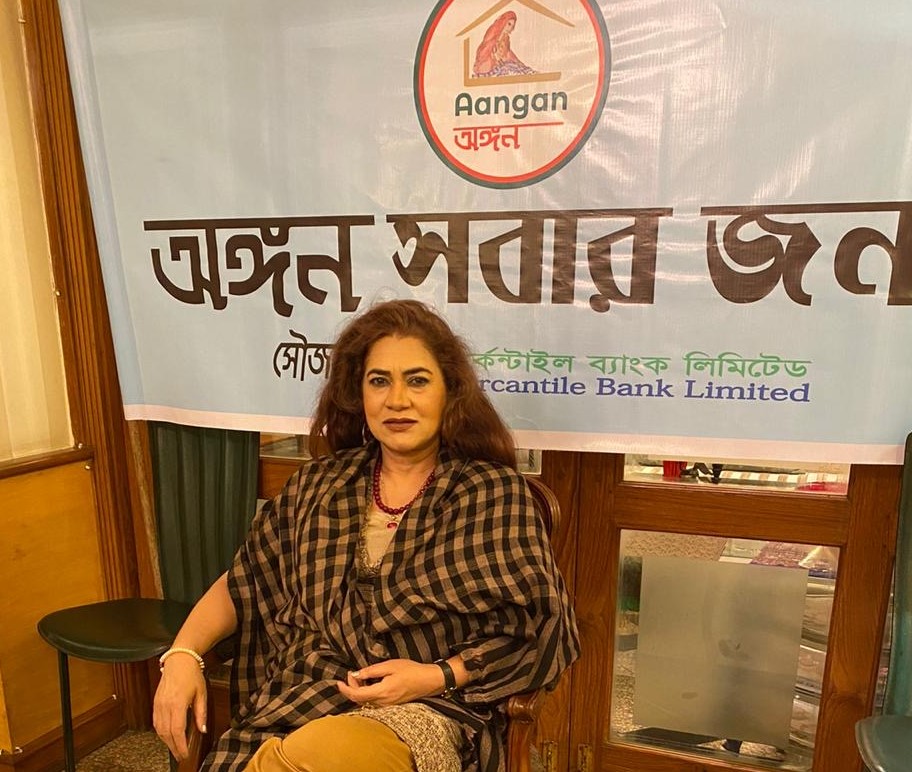
Aangan & Me
I grew up with my nine siblings, the children of my late father, Dr. Abdul Kader, who hailed from Kolkata, India and my mother Alam Ara Khanom, who was from Afghanistan. Our upbringing was rooted in strict principles.
My parents did everything possible to ensure we all received proper education, achieve higher degrees. My mother often reminded my sisters and me that our education shouldn’t just be a collection of certificates. “Use your knowledge to support your family after you marry,” she would say. “Consider a job or starting a business.”
She encouraged us, the sisters to venture into business, emphasizing that it would not only foster our independence but also allow us to create jobs and contribute to charitable causes. I took her words to heart and have lived by them ever since.
To my husband’s surprise, the day right after our wedding, I expressed my desire to start my own business. My in-laws were quite affluent at the time, and I announced my intention to run Maryland Kindergarten, the school my father had established and I had a share in that project, while launching my own ventures.
With their support, I embarked on my first project, Khonika, a traditional food venture. In 1974, we set up our first fast-food stall at the International Trade Fair held at Sohrawardi Uddyan, where I enlisted students to assist me, compensating them for their help.
From there, I expanded into other ventures, including ‘Catch and Cook,’ which specialized in western and seafood dishes, as well as ‘Lehre Boutique’ and ‘Sheetal Boutique,’ among various other individual projects.
Coffee with Poly
This is my latest addition to Angan’s activities. Many women express a desire to connect with me personally and join me on this journey. To facilitate this, I host meet-and-greet sessions once or twice a month, where we can enjoy coffee together and discuss development plans or simply have a fun time.
The goal is to create a delightful “Women’s Time,” where we can unwind and enjoy ourselves, whether at a cozy coffee shop, a movie theatre, or a classical music performance.
This gives the members mental relief and charge them up for next mission with new inspiration
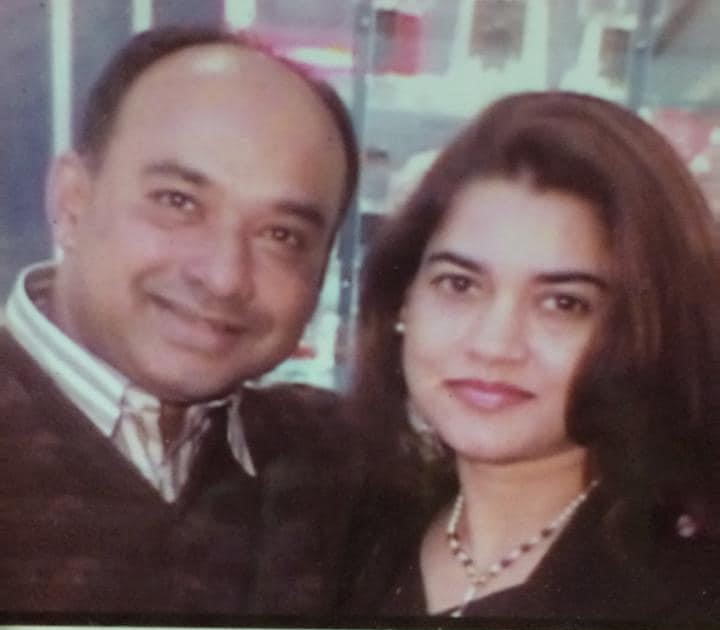
My husband passed away from a heart attack. He was a prominent businessman at that time and served as the honorary consul of Belgium in Bangladesh. He had always supported me in my projects, and without his encouragement, I wouldn’t have achieved so much.
Though his absence left me heartbroken, I pulled myself together and focused on raising our three children. Today, they are all well-established and caring for their own families.
In 2005, I founded Aangan with the aim of engaging in charitable activities. The journey began at home, supported by funds raised by my children.
With a small financial boost from Aangan, we helped create 50 new entrepreneurs in rural areas, many of whom later became core members of our organization. These individuals came from various rural regions of Bangladesh, including my own village in Gazipur, spanning at least ten districts.
When I first met them, they were facing dire financial challenges. Their homes were in disrepair, with weak structures and roofs that were falling apart, especially during the rainy season. Initially, we focused on repairing or rebuilding their houses and providing them with cash assistance.
However, I soon realized that this approach wasn’t leading to sustainable improvements in their lives. After about ten years of ongoing financial support, I found my charity fund dwindling. Additionally, many members had become reliant on my assistance, losing the motivation to seek their own income.
I encouraged them to invest the money I provided into creating sustainable sources of income. Some started raising small chicks at their houses, while the men opened small grocery shops or mobile phone call centers at their own premises. This sparked a newfound sense of independence, empowering them to take care of themselves without further assistance.
Eventually, boys and girls from Aangan’s member families reach the age where they get married. Aangan provided financial support to organize a lovely wedding reception for the villagers, offering gifts to both the bride and groom.
As families grew, their expenses increased, and they sought more assistance from me to expand their income sources. I helped them by providing funds to start making handicrafts at home, such as Nakshi Kantha, palm leaf fans, bamboo mats, and more. Some young women expressed interest in beautician courses, so I covered the costs for them. They began offering beauty treatments to village girls. You know there is a demand for a beautician in the villages, especially during the wedding season.
Additionally, some young men opened small hut-house restaurants in the local bazaar. One household became self-sufficient by starting a small-scale homemade bidi (rural cigarettes) project with Aangan’s support.
I do not give them cash as a one-time donation. They have learnt to take to money as a loan and repay me in due course of time as agreed without interest.
Health
I am glad that two of my brothers are physicians. One is living in the USA. Once in a month, my other doctor brother goes with me to these villages or slums to open health checking camps, sees patients and distribute medicines free of cost.
Religious Activities
To me, my Hajj/Omarah project is the most satisfying activity of my organization. So far, I have sent 18 dedicated Muslim men and women who were not financially capable to perform Hajj or Omrah Hajj of their own. I pick genuine clean minded women and try to fulfil their desire to visit the holy place of Makkah and Medina in their lifetime. Nothing could be more filling than this.
Angan also helped local masjid authorities in the rural areas to renovate or rebuilding the mosques.
Helping the Silent Sufferers
I assist not only the distressed women in the village and slums but also women from wealthy backgrounds who seek short-term financial assistance. Many might not understand this, but I encounter women who are widowed, divorced, or separated who often own properties in prime locations but lack a steady cash flow. For instance, a woman may inherit a home or apartment but find it difficult to maintain her social status due to insufficient income. Others may have rental properties, yet the income isn’t enough to cover their family’s daily expenses.
Unlike those in the village or slums, these women cannot openly ask for loans due to social stigma. I provide support in these sensitive situations. My loan fund offers amounts ranging from 10,000 to 100,000 taka to Angan’s members of this category for emergencies on a short-term basis, and I’m proud to say that the repayment rate is 100%.
This initiative also includes women from upper-middle-class or well-off families who have been managing household expenses through their husbands’ income but lack funds for personal spending or savings for emergencies.
To address this, I launched an online platform where they can sell their products. The main items—designer handbags, sarees, and women’s dresses—are helping them generate extra income for their families. Whether they make the items themselves or source them from a craftsman, I get the supply and put them on line for sale.
I would like to innovate more projects to raise fund involving the ladies from this level, so that they also can breathe in the society at ease and do for the women who are living below their fiscal level in the future.
Aangan’s Fund
The funding for Aangan’s projects primarily comes from my family. My son, who manages my late husband’s seafood export business, donates 10% of his income each month to the Aangan fund. My other daughters also contribute occasionally. The remaining funds are raised through annual subscriptions from 50 basic members.
My Inspiration
I miss my main inspiration Late Rokeya Afzal who encouraged me in every step of my journey. She was Angan’s adviser and mentor. Her guidance continues to resonate with me. Even now, I carry her lessons with me, feeling her presence in all that I do.
Future Plans
I dream of expanding Angan internationally to support even more women in need while establishing a globally recognized brand. I envision making my Coffee with Poly’s Angan more vibrant, providing our members with opportunities to escape their daily worries and enjoy carefree moments together. Through more gatherings and excursions, we can create joyful experiences that nourish our hearts, enabling each of us to contribute even more from our unique perspectives.
– Mrs. Khurshida Ahmed Poly